

For decades, alcohol was seen as a rite of passage into adulthood. Nights out, pub culture, and weekend drinking became deeply woven into social life across many parts of the world. 🍾🍻
But attitudes are starting to shift.
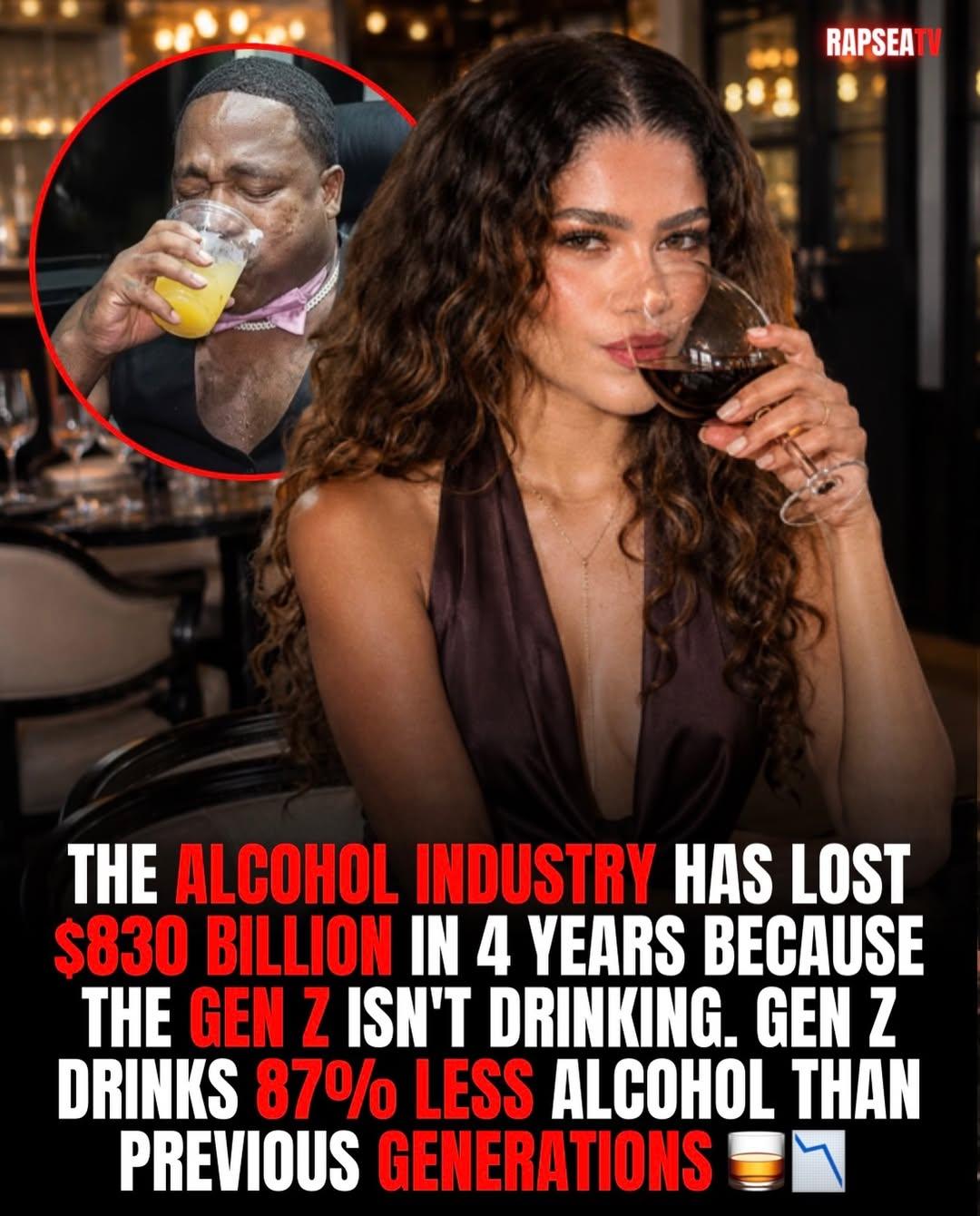
Research suggests that Gen Z is consuming significantly less alcohol than previous generations did at the same age. More young adults are choosing moderation, opting for low or no-alcohol alternatives, or avoiding drinking entirely as they prioritize fitness, mental health, self-improvement, and overall wellbeing.
This changing behavior has raised concerns across the alcohol industry. Major beverage companies have lost hundreds of billions in market value in recent years. While the widely cited “$830 billion” figure largely reflects declines in company valuations rather than direct sales losses, it highlights growing uncertainty about the industry’s long-term outlook.
Rather than spending heavily on alcohol, many younger consumers are putting their money toward travel, experiences, fitness, gaming, technology, and wellness. At the same time, non-alcoholic drinks have become one of the fastest-growing categories in the beverage market as consumer habits continue to evolve.
For the first time in generations, choosing not to drink is becoming increasingly normal and socially accepted. What was once considered unusual is now part of a broader cultural shift.
Do you see Gen Z’s changing relationship with alcohol as a positive development, or has drinking culture simply evolved? #facts
But attitudes are starting to shift.
Research suggests that Gen Z is consuming significantly less alcohol than previous generations did at the same age. More young adults are choosing moderation, opting for low or no-alcohol alternatives, or avoiding drinking entirely as they prioritize fitness, mental health, self-improvement, and overall wellbeing.
This changing behavior has raised concerns across the alcohol industry. Major beverage companies have lost hundreds of billions in market value in recent years. While the widely cited “$830 billion” figure largely reflects declines in company valuations rather than direct sales losses, it highlights growing uncertainty about the industry’s long-term outlook.
Rather than spending heavily on alcohol, many younger consumers are putting their money toward travel, experiences, fitness, gaming, technology, and wellness. At the same time, non-alcoholic drinks have become one of the fastest-growing categories in the beverage market as consumer habits continue to evolve.
For the first time in generations, choosing not to drink is becoming increasingly normal and socially accepted. What was once considered unusual is now part of a broader cultural shift.
Do you see Gen Z’s changing relationship with alcohol as a positive development, or has drinking culture simply evolved? #facts
For decades, alcohol was seen as a rite of passage into adulthood. Nights out, pub culture, and weekend drinking became deeply woven into social life across many parts of the world. 🍾🍻
But attitudes are starting to shift.
Research suggests that Gen Z is consuming significantly less alcohol than previous generations did at the same age. More young adults are choosing moderation, opting for low or no-alcohol alternatives, or avoiding drinking entirely as they prioritize fitness, mental health, self-improvement, and overall wellbeing.
This changing behavior has raised concerns across the alcohol industry. Major beverage companies have lost hundreds of billions in market value in recent years. While the widely cited “$830 billion” figure largely reflects declines in company valuations rather than direct sales losses, it highlights growing uncertainty about the industry’s long-term outlook.
Rather than spending heavily on alcohol, many younger consumers are putting their money toward travel, experiences, fitness, gaming, technology, and wellness. At the same time, non-alcoholic drinks have become one of the fastest-growing categories in the beverage market as consumer habits continue to evolve.
For the first time in generations, choosing not to drink is becoming increasingly normal and socially accepted. What was once considered unusual is now part of a broader cultural shift.
Do you see Gen Z’s changing relationship with alcohol as a positive development, or has drinking culture simply evolved? #facts